
What Exactly Is Sensorineural Hearing Loss?
SNHL occurs when the delicate sensory hair cells within your inner ear become damaged or don’t work efficiently. These tiny cells are vital, transforming sound waves into electrical signals your brain interprets as sound. Damage to your hearing nerve can also cause SNHL. When this happens, your brain doesn’t receive a complete, clear sound picture, leading to muffled speech, difficulty following conversations, or missing certain tones.
While SNHL isn’t typically reversible, it is absolutely treatable. As your trusted local audiologists, we’re here to show you how today’s advanced hearing technology and dedicated care can help you rediscover clear, natural sound and reconnect with the people and passions you cherish.
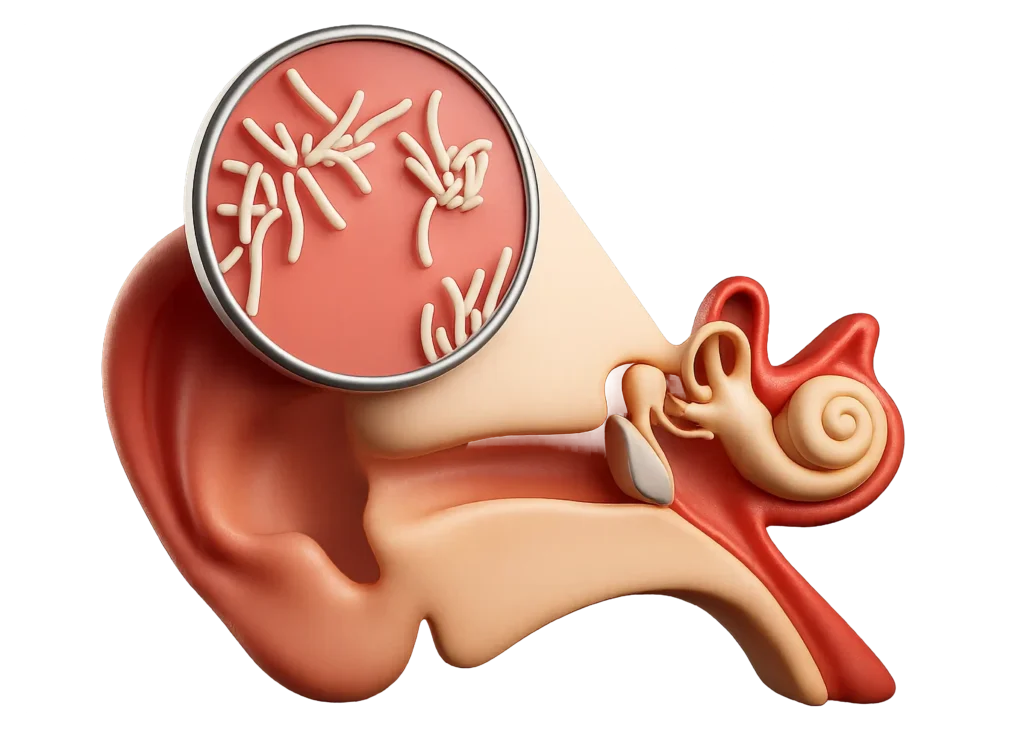
Potential Causes:
Sensorineural hearing loss is usually cumulative and occurs slowly. Exposure to very loud noise is the most common cause of sensorineural hearing loss, followed by aging (presbycusis). Certain medications and health conditions, such as diabetes and heart disease, are also known causes of sensorineural hearing loss.
Treatment Options:
Hearing aids are the primary treatment for sensorineural hearing loss as medical or surgical intervention is rarely possible. Correctly fit hearing aids stimulate the affected nerves in the inner ear and fill in the Sound Voids that most sufferers experience. Today’s hearing aid technology can even address “high-frequency” sensorineural hearing losses that were once thought to be untreatable. If hearing loss is severe, a cochlear implant may be recommended.
Prevention:
Since sensorineural hearing loss is often caused by exposure to loud noises, we highly recommend the use of hearing protection if you find yourself around loud noises frequently. If you are diabetic, keep your blood glucose levels well controlled. A healthy diet and regular exercise are a must to prevent the onset of heart disease and other medical problems that are also identified with hearing loss. A healthy lifestyle, excellent nutrition, and the use of well-fit hearing protection will help you hear for life.
Got questions?
We’ve got answers and we’re standing by to help.