
At Audiology Associates of Southern Oregon, we understand that hearing well is about so much more than just your ears. Hearing challenges can touch every part of your life, but here’s the hopeful truth: Significant improvements are within reach. With our trusted, professional care, you can rediscover the clarity, comfort, and confidence that allow you to fully engage with the world around you.
What Exactly Is Hearing Loss?
Simply put, hearing loss happens when any part of your intricate hearing system — from the outer ear to the inner ear and the auditory nerve — isn’t working quite right. Understanding which part is affected is key, and that’s where our expertise comes in. There are typically three main types:
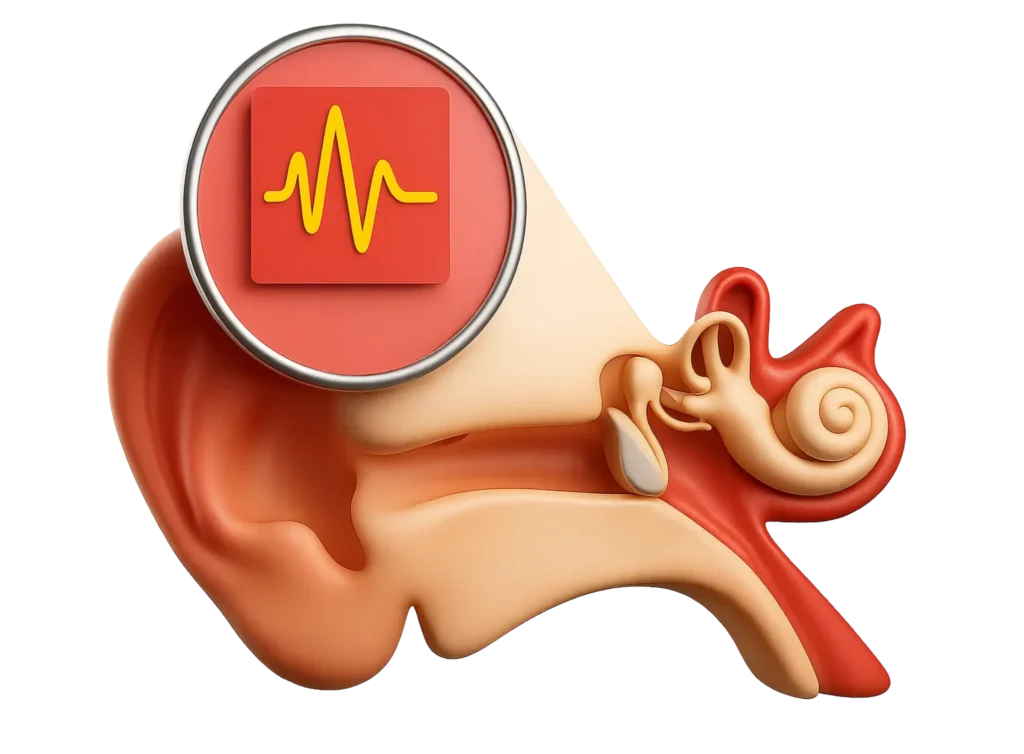
Conductive Hearing Loss
This occurs when sound waves are blocked in the outer or middle ear – often due to common issues like fluid buildup from ear infections.
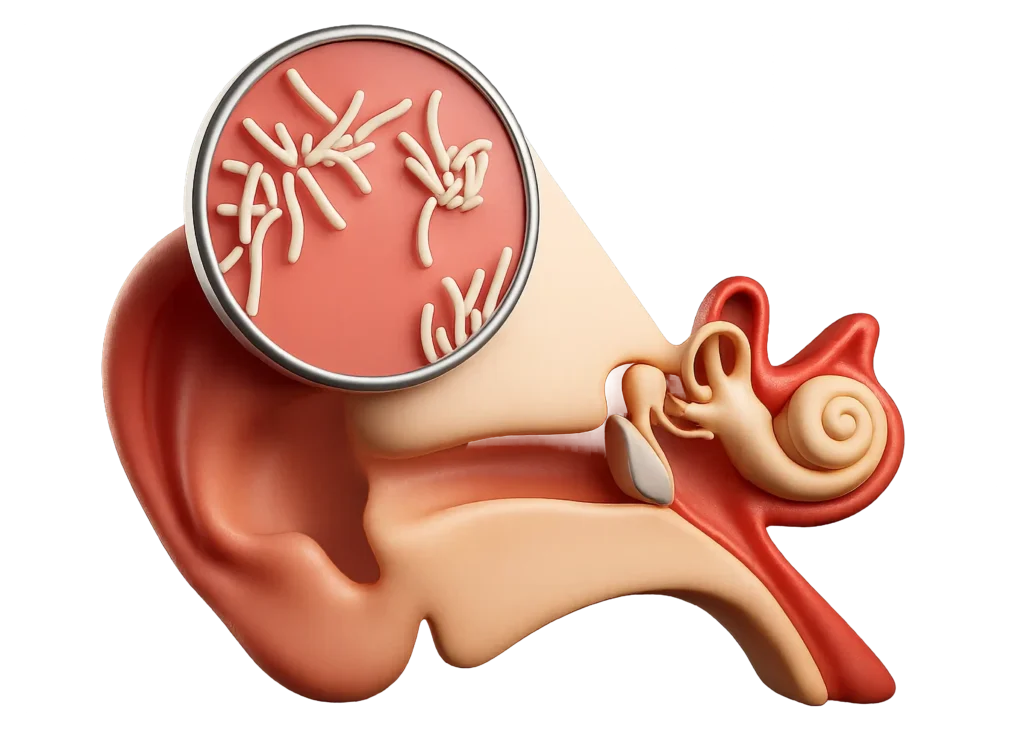
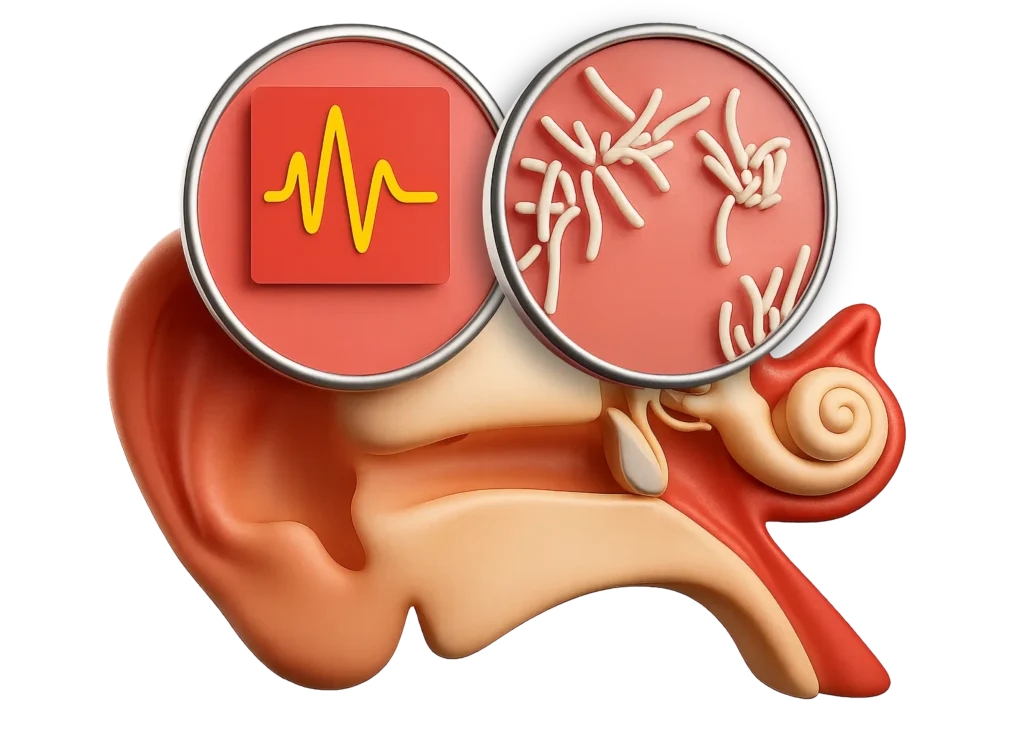
Each type has its own unique characteristics and potential paths forward. That’s why a thorough, professional hearing evaluation is always the essential first step to understanding your personal situation.
Are These Experiences Familiar to You?
Hearing changes often unfold gradually, making it easy to adapt without fully realizing the shift. You might find yourself:
- Straining to follow conversations, especially in lively spots like a local café or during family dinners.
- Needing the TV or phone volume louder than others prefer.
- Missing the gentle sounds of nature, like the rustle of leaves on a hike or distant birdsong.
- Experiencing persistent ringing or buzzing in your ears, known as tinnitus.
- Feeling unusually drained after social gatherings, simply because listening has become an exhausting task.
If any of these resonate, it’s a gentle signal that your ears and brain are putting in extra effort to make sense of the world of sound. We’re here to help ease that burden.
What Can Lead to Hearing Loss?
Hearing loss can arise from various influences. Some common factors we see include:
Knowing the root cause is a vital step in helping us guide you toward the most effective path forward.


Why Addressing Hearing Loss Is So Important
Hearing loss, when left unaddressed, extends beyond just difficulty communicating; it can influence your overall well-being.
Cognitive health
Research highlights a connection between untreated hearing loss and a faster rate of cognitive decline, even a higher risk of dementia. The good news? Addressing hearing loss may significantly slow this decline in those at increased risk, helping your brain stay sharper.
Emotional well-being
Struggling to hear can lead to feelings of isolation, anxiety, or sadness, making you withdraw from the activities and people you love — whether it’s a lively pickleball game or a quiet evening with family. By taking steps to improve your hearing, you can foster greater emotional balance and reduce symptoms of depression.
Safety and independence
Being able to clearly hear warning signals, alarms, or traffic sounds is fundamental to navigating our community safely and maintaining your independence.
Taking action early helps support not just your hearing but also your long-term brain health, emotional vitality, and ability to fully embrace life.
The Power of Hearing with Both Ears
Taking the first step with a comprehensive hearing evaluation is a comfortable and enlightening experience. It’s a chance for us to get to know your unique hearing story. We’ll begin by discussing your medical history and then gently conduct a series of tests, including:
When hearing loss impacts one ear, or if only one ear receives support, this vital partnership is disrupted. This can lead to confusion about sound direction, significant struggles in noisy environments, and a feeling that the world of sound is muted or distant. That’s why, when appropriate, we often recommend addressing hearing loss in both ears to restore that natural balance and richness.


How Do We Understand Your Hearing?
Taking the first step with a comprehensive hearing evaluation is a comfortable and enlightening experience. It’s a chance for us to get to know your unique hearing story. We’ll begin by discussing your medical history and then gently conduct a series of tests, including:
All these results come together to create your audiogram, a clear, visual map of your specific hearing abilities. This map is our guide, helping us determine the type of hearing loss you may have and, most importantly, how we can best support you.
What Paths Can We Explore Together?
Just as every individual in our Southern Oregon community is unique, so too are your hearing needs. We firmly believe your treatment plan should be tailored specifically for you, never a one-size-fits-all approach. Here are some of the effective solutions we explore:
We’ll carefully explain each option, answering all your questions without pressure, and help you choose the path that best aligns with your lifestyle, whether you’re enjoying the outdoors or engaging in quiet, small-town living.
Can You Safeguard Your Hearing?
Absolutely! Even if you’ve noticed some changes, there are proactive steps you can take to preserve the hearing you have and support your overall ear health:
Mind your volume
When using headphones or speakers, keep the volume at comfortable, safe levels.
Protect against noise
Whether you’re attending an outdoor concert, working in agriculture, doing yard work, or using loud tools, always use appropriate hearing protection.
Seek regular check-ups
If you’re over 60 or routinely exposed to noisy environments, consider an annual hearing check-up.
Adopt healthy habits
Embrace a healthy lifestyle — it’s good for your overall circulation and, in turn, supports your ear health. Think about enjoying those Rogue Valley hikes or paddleboarding!
Common Questions We Hear:
Take the Next Step Towards a Richer Soundscape.
Life in the Rogue Valley is vibrant, and it sounds even more wonderful when you can hear it clearly. As your trusted local guide, with nearly 40 years serving this community, we’re here to help. Contact Audiology Associates of Southern Oregon today to schedule your professional, no-pressure hearing evaluation. Let’s explore how we can help you hear and live your best.