
The Power of Two: Your Ears, Working Together for Confident Hearing
At Audiology Associates of Southern Oregon, we often share a simple but profound truth: Hearing is a team effort, and your two ears are essential players. This partnership, known as binaural hearing, is how your brain truly makes sense of the sounds around you. When one ear isn’t doing its part, your brain works much harder to fill in the gaps, leading to unnecessary strain.
As your trusted guides in the Rogue Valley, we’re here to help you understand this vital process simply, clearly, and with a focus on the real-life moments that matter most to you.
What Exactly Is Binaural Hearing?
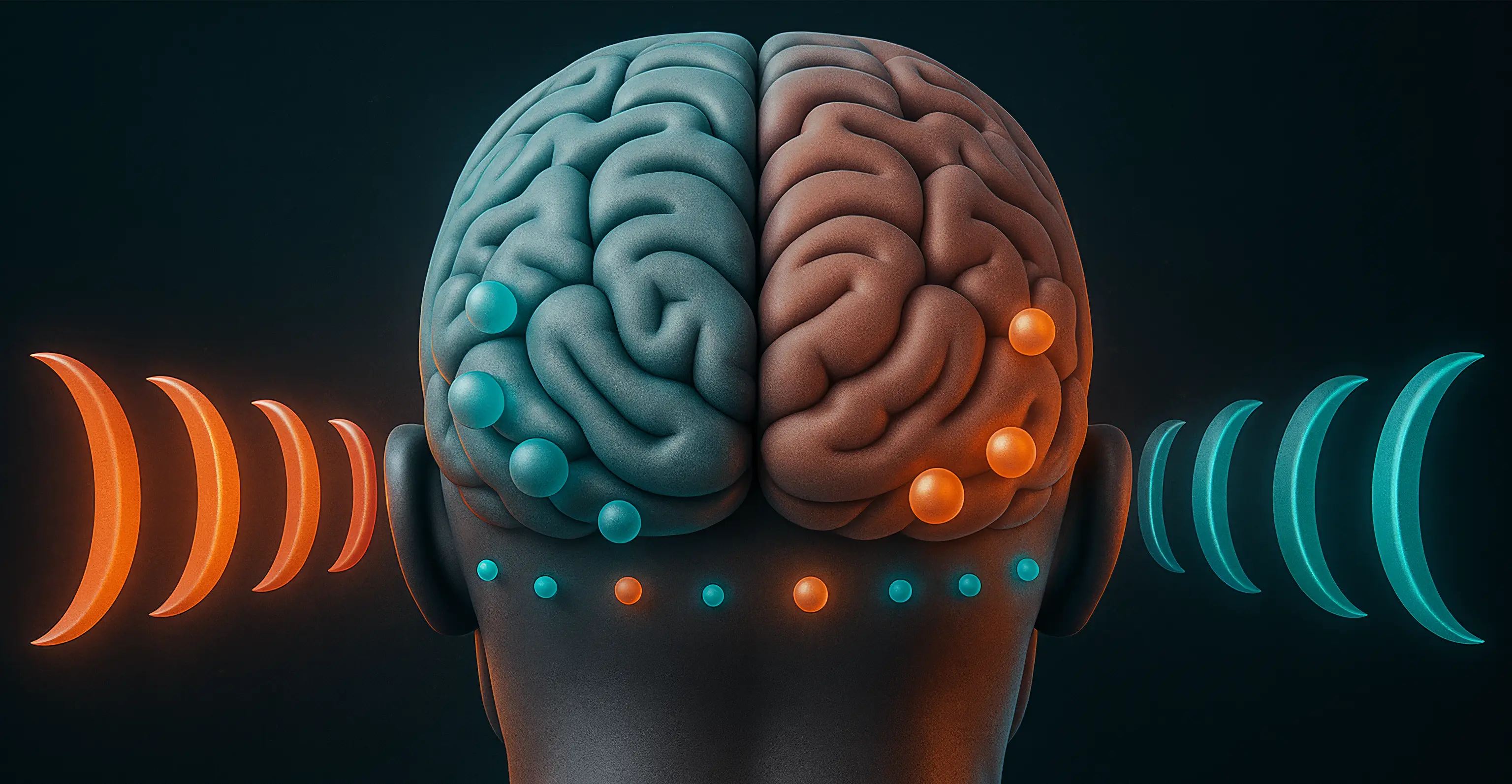
Binaural literally means “two ears.” But binaural hearing is so much more than that. It’s about the remarkable way your brain seamlessly blends the sounds from both sides, creating one rich, coordinated, and meaningful picture of your auditory world.
Think of it like this: Hearing with just one ear is like listening to music in mono — flat and one-dimensional. But with both ears working in harmony, you experience stereo sound, vibrant, spacious, and full of direction. Your brain relies on both ears to:
- Pinpoint where a sound is coming from
- Gauge how close it is
- Interpret its meaning, whether it’s speech, background noise, a vital alert, or your favorite music
When one ear isn’t contributing its share, that entire sound picture becomes fuzzy, making it significantly harder for your brain to interpret.
Why Binaural Hearing Matters for Your Everyday Life
This coordinated effort between your ears plays a crucial role in your daily comfort, safety, and engagement.
Localization: Knowing Where Sounds Originate
If you’ve ever found yourself turning the wrong way when someone calls your name, you may have experienced the challenge of compromised binaural hearing. Your brain constantly compares subtle differences in sound timing, volume, and pitch from each ear. These tiny distinctions create a sophisticated 3D map of your surroundings. When your ears aren’t working in concert, sounds can feel “everywhere and nowhere,” turning simple moments into a frustrating guessing game.
Hearing Better in Busy Environments
Your brain uses input from both ears to focus on the speaker you’re watching, filter out distracting background noise, and separate individual voices from the general din. This isn’t just a minor convenience; it’s the key to following conversations without needing superhuman effort.
Clarity, Not Just Volume
When both ears are working together effectively, your brain receives a fuller, cleaner signal. This leads to significantly better clarity, improved speech understanding, and fewer instances of needing people to repeat themselves. We call this the binaural summation effect, but simply put, it means two strong inputs make your brain’s job much easier and more efficient.
Enhanced Balance and Spatial Awareness
Your hearing contributes to your sense of stability and orientation in space. Two healthy ears help you feel more grounded, sense movement around you, and walk confidently in bustling or dimly lit environments.
Safety and Independence
Binaural hearing is a cornerstone of your safety. It helps you quickly identify approaching cars on a busy street, recognize alarms and alerts, notice someone walking up behind you, and detect potential environmental hazards. When you can’t tell where a sound is coming from, everyday moments feel less predictable and can even diminish your sense of security.
What Happens When Only One Ear Hears Well?
When your ears aren’t working as a team, you might notice:
- Significant difficulty following conversations, especially in noisy settings.
- Trouble pinpointing the source of voices or other sounds.
- Increased listening fatigue by the end of the day.
- A tendency to position yourself so people are on your “better” side.
- Feeling overwhelmed or distracted in group settings.
- Misinterpreting tone or emotional cues in speech.
These aren’t signs of inattention; they simply mean your brain is working overtime with incomplete information, trying to piece together a coherent soundscape.

How Modern Hearing Technology Supports Binaural Hearing
At Audiology Associates of Southern Oregon, we believe in empowering you with solutions. Modern hearing technology isn’t just about making sounds louder; it’s about restoring the natural team dynamic between your two ears. With two hearing instruments working in harmony, you benefit from:
Crucially, this balanced input provides your brain with the complete information it was designed to process, reducing strain and improving overall comprehension. If one ear has significantly weaker hearing, we can also explore specialized strategies and technology to help rebalance your sound picture effectively.
Everyday Signs You Could Benefit From Binaural Support
You might be experiencing challenges with binaural hearing if you find yourself:
- Frequently turning your head to hear better.
- Feeling exhausted after spending time in noisy places.
- Losing track of conversations when in groups.
- Relying heavily on captions for television or movies.
- Often guessing where sounds are coming from.
- Feeling that voices “blend together” or sound muffled.
These are not personal shortcomings. They are simply indicators that your ears may not be working together as effectively as they once did, and we’re here to help you navigate these changes.


Frequently Asked Questions
Bringing It All Together
If you’ve noticed changes in how you hear, a comprehensive hearing evaluation with our experienced team at Audiology Associates of Southern Oregon is the first step. As a family-owned, local private practice serving Grants Pass, Medford, and Ashland for nearly 40 years, we’re your trusted guides. Contact us today to schedule an appointment. Discover how empowering binaural hearing can be.